

Non-consumptive Use of Brown Bears: Responsible Observation in the Northern Dinaric Region
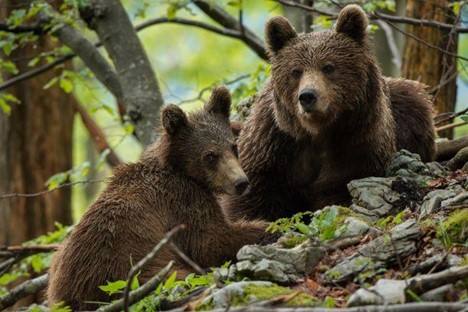
Picture7
| Title | Non-consumptive Use of Brown Bears: Responsible Observation in the Northern Dinaric Region |
|---|---|
| Short description: | A sustainable model of responsible bear watching as an example of effective and safe non-consumptive use of natural resources. |
| Keywords: | bear, sustainable tourism, Dinaric region, wildlife watching, nature conservation, participation |
| Organisation in charge: | Dinaricum Society (in cooperation with various local and regional partners) |
| In collaboration with: | |
| Implementation level: | Regional |
| Country: | Slovenia |
| Region: | Northern Dinaric Alps (Primorsko-notranjska, Kočevsko) |
| City: | multiple locations, including Loška dolina, Ilirska Bistrica, Kočevje |
| Website: | https://dinalpbear.eu |
| Detailed information on the practice: | Responsible brown bear watching in the Northern Dinaric region is based on the model of non-consumptive use of brown bears, aiming to promote naturefriendly tourism that supports species conservation and local development. The initiative emerged in response to growing interest in wildlife experiences and the need to reduce human-bear conflicts. The practice is built on collaboration with local communities, training of guides, creation of ethical visitor guidelines, and ensuring safety for both people and animals. A key element is the participatory approach, involving local residents, forest managers, tourism providers, scientists, and conservationists. Main beneficiaries include local tourism service providers, residents, visitors, researchers, and the ecosystem as a whole, which benefits from reduced disturbance. |
| Problem & context: | |
| Timeframe: | Approx. € 250,000 (including content development, training, promotion, research, and stakeholder engagement) |
| Approximate cost: | Provide an estimate of the total cost (in €) associated with implementing this practice, including resources, materials, and any other relevant expenses. |
| Results achieved: | A network of bear-watching providers was established, visitor awareness improved, bear-related conflicts decreased, and sustainable wildlife viewing guidelines were developed. |
| Potential for learning or transfer: | This practice is suitable for transfer to other areas with large carnivores and wildlife tourism potential. Key factors for success include community involvement and clearly defined visitor rules. It has already been successfully transferred to Croatia and Italy through cross-border projects. |
| Additional material: | https://dinalpbear.eu/wp-content/uploads/2023/11/Odgovorno-opazovanje-medvedov-v-severnih-Dinaridih_SI_web.pdf |
| Contact person: | Rok Černe |
| Contact affiliation: | Zavod za gozdove Slovenije (lead partner) |
| Contact email: | rok.cerne@zgs.si |