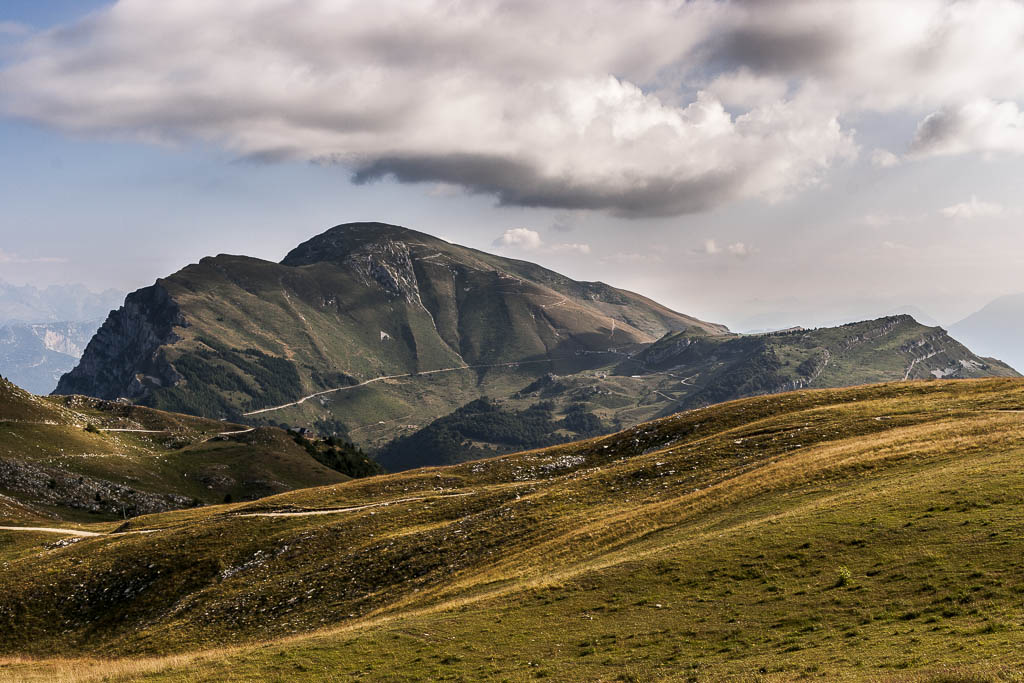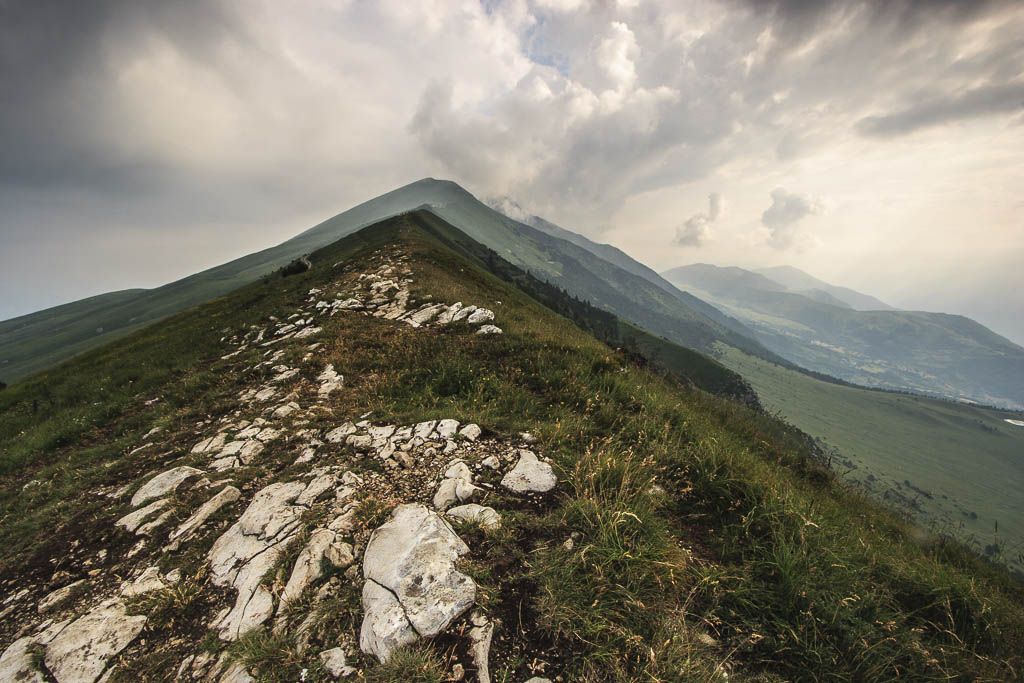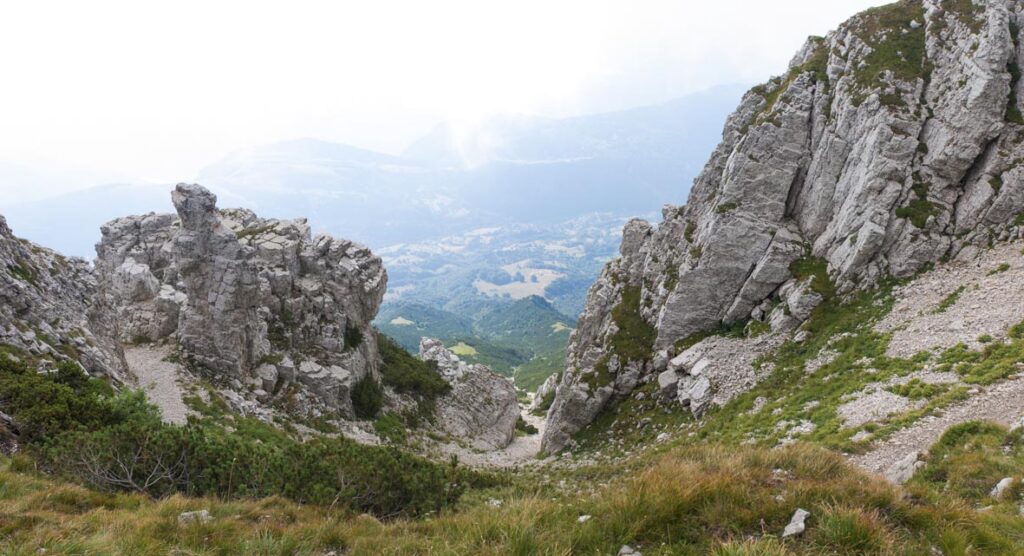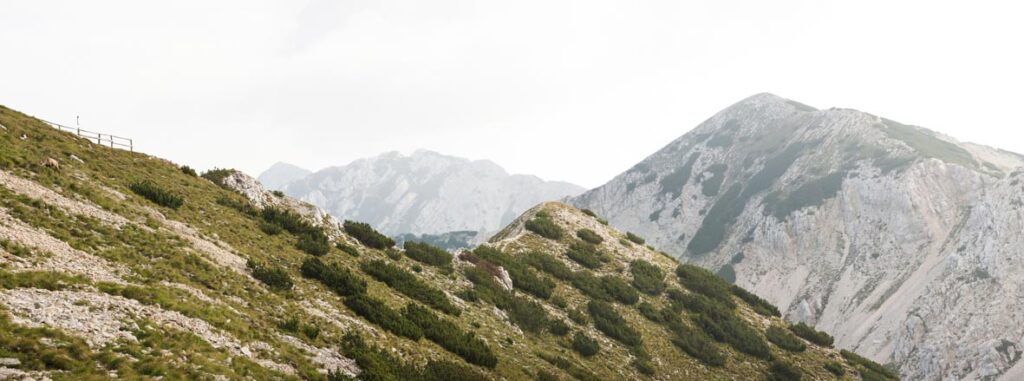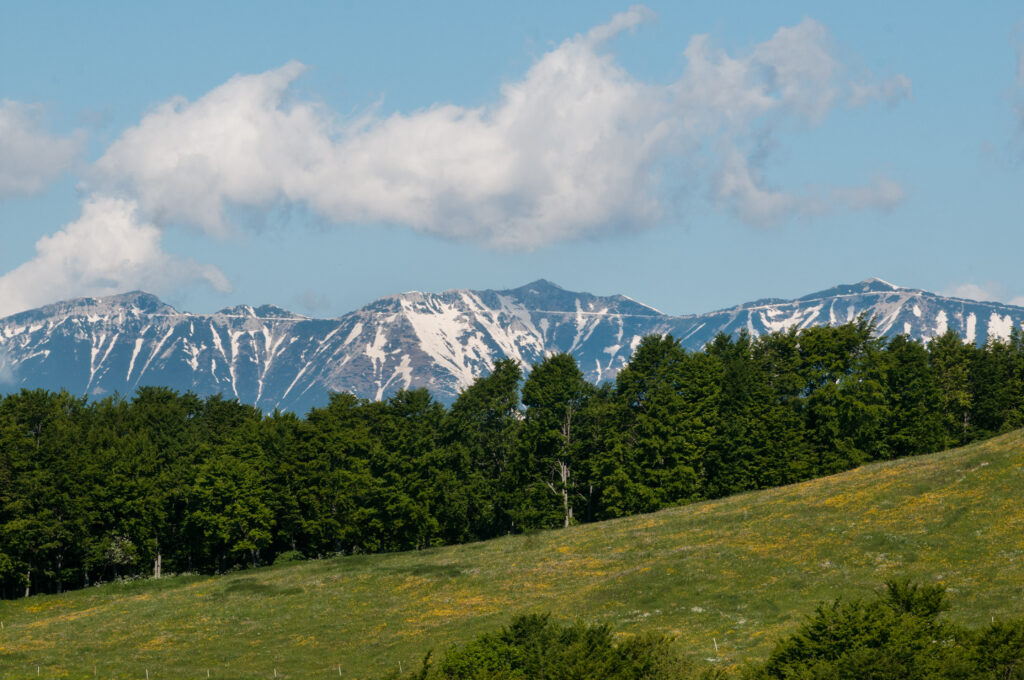

Mt. Baldo is widely known as the “Hortus Europae” or “Garden of Europe” because of its exceptional botanical diversity and long-recognised floristic importance. It is an isolated mountain ecosystem with rich plant endemism, varied habitats, and strong geological, botanical, hydrological, and cultural value. The area includes Natura 2000 sites and supports characteristic mountain wildlife such as chamois, marmots, and golden eagles. Its landscape has been shaped by centuries of human use, including traditional routes, pilgrimage, grazing, and later tourism. Current pressures include climate change, reduced snow cover, invasive species, tourism impacts, trampling, overharvesting, waste, rural depopulation, and abandonment of traditional land management, which can lead to forest encroachment over open habitats.